🎉 Introduction
The Japanese Egg Sandwich (Tamago Sando) is the definition of simple perfection. Soft, fluffy eggs mixed with creamy Japanese-style mayonnaise are tucked between slices of pillowy milk bread, creating a sandwich that’s light, rich, and incredibly comforting. Popular in Japanese convenience stores and cafés, this sandwich is loved for its delicate texture and balanced flavor.
What makes Tamago Sando special isn’t complexity—it’s precision and softness. The eggs are gently cooked, finely mashed, and seasoned just enough to enhance their natural flavor. Paired with buttered milk bread, every bite feels smooth, airy, and satisfying.
This recipe is perfect for:
- Breakfast or brunch
- Light lunches
- Kid-friendly meals
- Anyone who loves soft, creamy comfort food
🧰 Equipment Needed
- Medium saucepan
- Mixing bowl
- Fork or potato masher
- Cutting board
- Knife
- Small whisk or spoon
🛒 Ingredients
Carefully measured for authentic flavor and perfect texture.
Egg Filling
- 6 large eggs
- 4 tablespoons Japanese mayonnaise
- 1 teaspoon milk
- ¼ teaspoon salt
- ¼ teaspoon sugar
- ¼ teaspoon ground black pepper
Sandwich
- 4 slices Japanese milk bread
- 2 tablespoons unsalted butter, softened
Garnish (Optional)
- Fresh chives, finely chopped
Japanese milk bread is key for the classic soft texture.
👩🍳 Directions
Step 1: Cook the Eggs
Place the eggs in a saucepan and cover with cold water. Bring to a boil over medium heat. Once boiling, reduce heat slightly and cook for 10 minutes.
Step 2: Cool and Peel
Transfer the eggs to cold water and let them cool completely. Peel the eggs and pat dry.
Step 3: Mash the Eggs
Place the peeled eggs in a mixing bowl. Use a fork or masher to mash them until very fine and creamy. The texture should be smooth, not chunky.
Step 4: Season the Filling
Add Japanese mayonnaise, milk, salt, sugar, and black pepper to the eggs. Mix gently until fully combined and silky smooth.
Step 5: Prepare the Bread
Lightly butter one side of each slice of milk bread. This helps prevent sogginess and adds richness.
Step 6: Assemble the Sandwich
Spread a generous layer of the egg mixture onto the unbuttered side of two bread slices. Sprinkle chopped chives on top if using. Place the remaining bread slices on top, buttered side facing inward.
Step 7: Trim and Slice
Trim the crusts if desired for a traditional look. Slice each sandwich in half.
Step 8: Serve
Serve immediately, or chill briefly for a more classic convenience-store style texture.
🍽️ Servings & Timing
- Servings: 2 sandwiches
- Prep Time: 10 minutes
- Cook Time: 10 minutes
- Total Time: ~20 minutes
Perfect for a quick yet comforting meal.
🧊 Storage & Reheating
Storage
- Store assembled sandwiches wrapped tightly in the refrigerator for up to 24 hours
Serving Notes
- Best served chilled or at room temperature
- Not recommended for reheating
The texture is best when fresh or lightly chilled.
🥄 Variations
Customize your Tamago Sando while keeping it authentic:
- Extra Creamy: Add 1 more tablespoon mayonnaise
- Egg Yolk Focus: Use more yolks for richness
- No Sugar: Skip sugar for a purely savory version
- Herb Twist: Add more chives or parsley
- Soft Texture: Push eggs through a fine sieve
Each variation keeps the sandwich soft, creamy, and comforting.
❓ 10 FAQs
- Why use Japanese mayonnaise?
It’s creamier and slightly sweeter than regular mayo. - Can I use regular bread?
Milk bread is best, but soft white bread works. - Should the eggs be chunky?
No, smooth texture is traditional. - Is this sandwich sweet?
Only very lightly—just enough to balance flavor. - Can kids eat this?
Yes, it’s very kid-friendly. - Do I need to remove crusts?
Optional, but traditional. - Can I make it ahead?
Yes, up to 1 day in advance. - Why add milk?
It enhances softness and creaminess. - Is black pepper traditional?
Yes, used lightly. - Is this eaten warm or cold?
Usually chilled or room temperature.
🏁 Conclusion
The Japanese Egg Sandwich Tamago Sando is a beautiful example of how simple ingredients can create something unforgettable. Creamy eggs, soft bread, and gentle seasoning come together in a sandwich that feels elegant, nostalgic, and deeply comforting.
Whether you’re new to Japanese-style cooking or revisiting a classic favorite, this recipe delivers authentic flavor, perfect texture, and pure comfort in every bite.
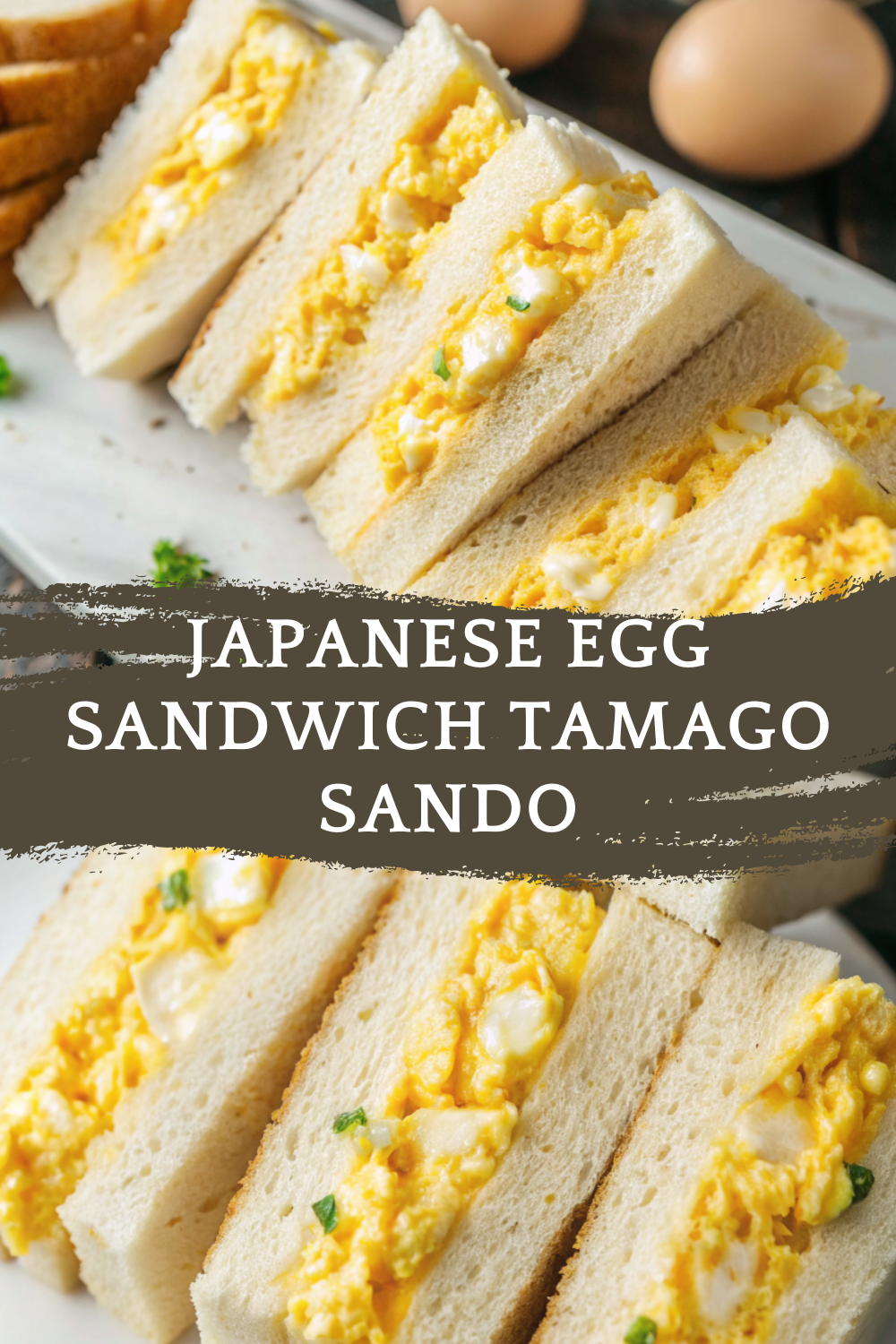

Japanese Egg Sandwich Tamago Sando
Ingredients
✨ Kitchen Essentials You’ll Love
Quick picks I trust for better results, faster prep, and easier cleanup.
-
🍳View ↗
Lodge Seasoned Cast Iron Skillet
-
⚡View ↗
Instant Pot Duo Plus 9-in-1 Electric
-
🔥View ↗
CHEFMAN Digital Air Fryer XL 10L
Disclosure: As an Amazon Associate, I earn from qualifying purchases at no extra cost to you.
Equipment
Method
- Place the eggs in a saucepan and cover with cold water. Bring to a boil over medium heat. Once boiling, reduce heat slightly and cook for 10 minutes.
- Transfer the eggs to cold water and let them cool completely. Peel the eggs and pat dry.
- Place the peeled eggs in a mixing bowl. Use a fork or masher to mash them until very fine and creamy. The texture should be smooth, not chunky.
- Add Japanese mayonnaise, milk, salt, sugar, and black pepper to the eggs. Mix gently until fully combined and silky smooth.
- Lightly butter one side of each slice of milk bread. This helps prevent sogginess and adds richness.
- Spread a generous layer of the egg mixture onto the unbuttered side of two bread slices. Sprinkle chopped chives on top if using. Place the remaining bread slices on top, buttered side facing inward.
- Trim the crusts if desired for a traditional look. Slice each sandwich in half.
- Serve immediately, or chill briefly for a more classic convenience-store style texture.
Notes
It’s creamier and slightly sweeter than regular mayo. Can I use regular bread?
Milk bread is best, but soft white bread works. Should the eggs be chunky?
No, smooth texture is traditional. Is this sandwich sweet?
Only very lightly—just enough to balance flavor. Can kids eat this?
Yes, it’s very kid-friendly. Do I need to remove crusts?
Optional, but traditional. Can I make it ahead?
Yes, up to 1 day in advance. Why add milk?
It enhances softness and creaminess. Is black pepper traditional?
Yes, used lightly. Is this eaten warm or cold?
Usually chilled or room temperature. 🏁 Conclusion The Japanese Egg Sandwich Tamago Sando is a beautiful example of how simple ingredients can create something unforgettable. Creamy eggs, soft bread, and gentle seasoning come together in a sandwich that feels elegant, nostalgic, and deeply comforting. Whether you’re new to Japanese-style cooking or revisiting a classic favorite, this recipe delivers authentic flavor, perfect texture, and pure comfort in every bite.